


Modern Landscape Painting Techniques Every Artist Should Try
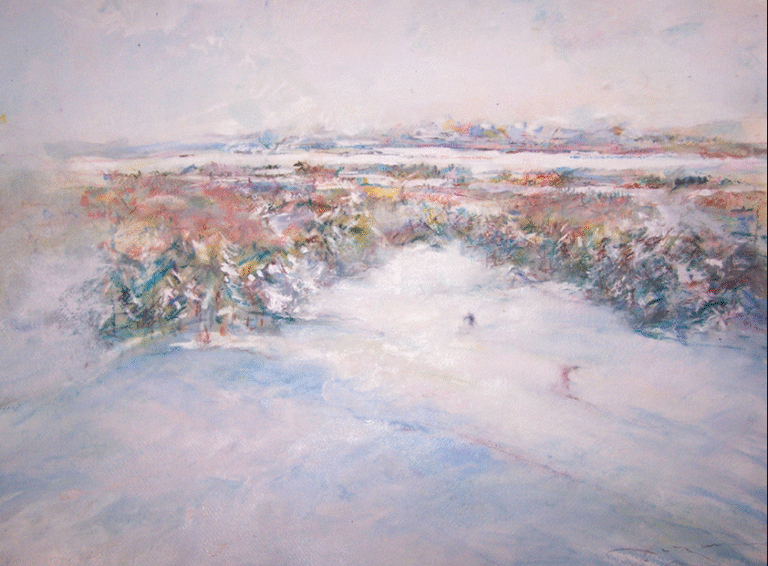
Hey there, fellow art lover! Ever stood before a breathtaking view—maybe a misty mountain range, a sun-drenched field, or the wild churn of the ocean—and felt that familiar itch to capture it? Not just a snapshot, but the feeling of it? That’s the magic of landscape painting, and boy, has it evolved! Forget rigid rules; today’s modern landscape painting is all about breaking free, experimenting, and letting your unique vision shine through.
We’re diving headfirst into some seriously cool modern landscape painting techniques that are less about perfect replication and more about expressing the soul of a place. Whether you’re a seasoned pro looking for a fresh spark or just starting your artistic journey, these ideas will get your creative juices flowing.
Embracing Abstraction in Contemporary Landscape Art
When you think of a landscape, your mind might conjure up a literal scene. But what if we zoom out, or even into the essence of it? Abstract landscape painting isn’t about ditching reality entirely; it’s about distilling it, playing with form, color, and texture to evoke the spirit of a place without being tied to every leaf and cloud. It’s like humming a tune instead of singing every word perfectly – you still get the feeling.
Simplifying Forms and Lines in Abstract Landscapes
One fantastic way to approach abstract modern landscape painting is through simplification. Think about reducing a complex scene to its fundamental shapes and lines. A rolling hill becomes a graceful curve, a forest a series of vertical strokes. It’s about finding the underlying geometry and rhythm.
Don’t be afraid to exaggerate or alter these forms. Maybe those majestic trees become towering, almost architectural pillars, or a distant horizon morphs into a vibrant, undulating ribbon. The goal is to capture the idea of the landscape, not a photographic replica.
Playing with Color and Texture for Evocative Scenes
Color is your secret weapon here. Instead of strictly adhering to what you see, think about the emotional impact of the hues. A fiery sunset might be expressed with electric oranges and deep purples that practically vibrate off the canvas. Consider a palette that tells a story, rather than just describing a scene.
Texture adds another layer of intrigue. Impasto—applying thick dollops of paint—can give your mountains real heft or make a choppy sea feel tangible. Experiment with different tools beyond brushes: palette knives, sponges, even your fingers! This tactile approach makes your modern landscape painting leap out.
Unleashing Expressive Brushwork in Modern Vistas
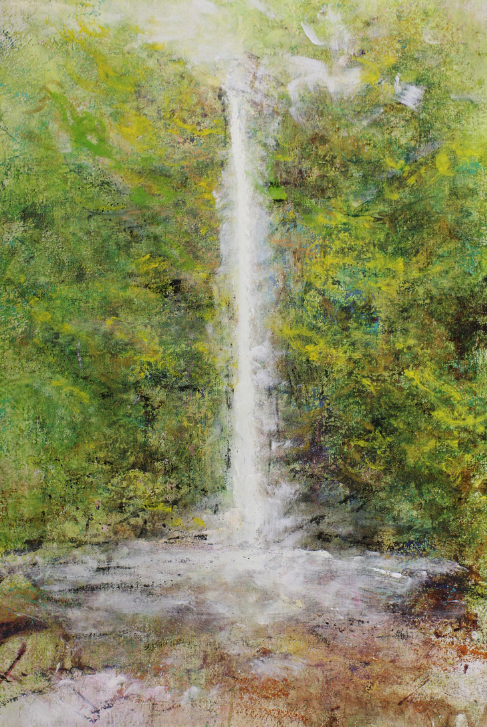
Sometimes, it’s not just what you paint, but how you paint it. Expressive brushwork is like the artist’s signature; it imbues the artwork with energy, emotion, and a sense of immediate creation. It’s less about blending everything seamlessly and more about celebrating the visible journey of your hand.
Dynamic Strokes for Energetic Skies and Waterscapes
Think about the sky. It’s rarely static, is it? Capturing that movement with dynamic strokes can transform a flat blue expanse into a living, breathing dome. Long, sweeping gestures can depict the grandeur of a stormy sky, while short, broken marks might suggest the shimmer of sunlight through clouds.
The same goes for water. Whether you’re painting serene lakes, powerful rivers, or dramatic seascapes, varying your brushwork is key. Use impasto for the froth of waves, or thin, translucent glazes to show depth in calmer waters. Each stroke becomes a piece of the narrative.
Incorporating Mixed Media into Landscape Compositions
Why limit yourself to just paint? The world of mixed media opens up a universe of possibilities for modern landscape painting. It’s like adding different spices to a dish – each element brings its own flavor and texture, creating a richer, more complex experience for the viewer.
Collage Elements for Textural Depth and Narrative Layers
Imagine adding bits of torn paper, fabric, or even natural elements like sand or dried leaves to your landscape. These collage elements can introduce incredible textural depth, making a forest floor feel genuinely earthy or a rocky outcrop rugged and real. It’s a fantastic way to literally bring the outside in.
Beyond texture, collage can add narrative layers. A snippet of an old map might hint at a journey taken, or a faded photograph could evoke a sense of history within the landscape. Each addition tells a silent story, inviting the viewer to look closer.
Using Inks and Pastels to Enhance Painted Scenes
Don’t forget about other drawing and painting mediums! Inks can create incredible washes, sharp lines, and dramatic contrasts, perfect for defining distant mountains or the delicate branches of trees. Their fluidity offers a different kind of spontaneity.
Pastels, both soft and oil, bring a gorgeous softness and vibrancy. They’re excellent for layering color, creating hazy atmospheric effects, or adding bright, punchy accents to your modern landscape painting. Imagine the soft glow of a sunset rendered in powdery pastel over a painted background. It’s a game-changer!
Exploring Unique Perspectives and Compositions
We’ve all seen a million paintings of pretty views from eye level. But what if you saw that landscape from a bird’s-eye view, or lying on the ground looking up through a canopy of leaves? Playing with perspective is a powerful way to make your modern landscape painting truly stand out and engage the viewer in a fresh way.
Aerial Views and Macro Details in Modern Landscape Painting
An aerial perspective can transform a familiar scene into an abstract pattern of shapes and colors. Imagine a patchwork of fields, the meandering ribbon of a river, or the geometric sprawl of a town seen from above. This removes the “expected” horizon line and forces a new way of seeing.
Conversely, zooming in on macro details can be incredibly impactful. Instead of painting the whole meadow, focus on a single cluster of wildflowers, the intricate pattern of moss on a rock, or the dew drops clinging to a spiderweb. These intimate glimpses often reveal profound beauty.
Juxtaposing Natural Elements with Urban Structures
Our world is a blend of nature and human intervention. Why not reflect that in your art? A dramatic cityscape might be framed by a lone, resilient tree, or the gritty lines of an industrial building could stand against a soft, rolling hillside. This juxtaposition creates tension, dialogue, and a very contemporary feel in your modern landscape painting.
Think about the stories these contrasting elements tell. How does humanity impact nature, and how does nature reclaim its space? This approach offers rich conceptual ground for exploration.
The Power of Limited Palettes and Monochromatic Landscapes
Sometimes, less is more. Working with a limited palette, or even a monochromatic scheme, can force you to think differently about form, value, and texture. It’s like writing a poem without adjectives – every noun and verb has to work harder.
Creating Mood and Atmosphere with Restricted Color Choices
A limited palette doesn’t mean boring. In fact, by restricting your colors, you can achieve incredible harmony and create a very specific mood. Imagine a landscape painted almost entirely in greens and blues, perhaps with a single, muted orange accent. This choice can evoke a sense of calm, mystery, or even melancholy.
Monochromatic landscapes, using various shades, tints, and tones of a single color, are incredibly striking. A sepia-toned landscape might feel nostalgic, while one in deep indigos could be powerfully dramatic. It’s a challenge that yields surprisingly sophisticated results.
Highlighting Form and Value Through Monochromatic Studies
When color is removed from the equation, value (the lightness or darkness of a hue) becomes paramount. Monochromatic studies are excellent for strengthening your understanding of form and light. You learn to sculpt with shadows and highlights, making objects appear three-dimensional without relying on color differences.
This skill is invaluable, no matter what your preferred style. A strong foundation in value will make all your modern landscape painting more impactful. It’s like learning the bones before you add the flesh.
The Art of Serendipity: Pouring and Dripping Techniques
Let’s get a little wild and embrace the unpredictable! Pouring and dripping paint might seem chaotic, but in the hands of a thoughtful artist, these techniques can yield incredible organic textures and effects that are impossible to achieve with a brush. It’s about collaborating with gravity and the fluidity of your materials.
Organic Textures from Fluid Paint Applications
Imagine thin washes of color swirling and blending on your canvas, creating effects reminiscent of mist, flowing water, or abstract rock formations. By tilting your surface or strategically applying water, you can guide the paint to create unique patterns and gradients. It’s a bit like watching clouds form – beautiful and constantly shifting.
This technique is fantastic for evoking the ephemeral qualities of nature, like the fleeting light of dawn or the elusive shapes in a fog-laden valley. It brings an element of chance that can be wonderfully freeing.
Taking Your Landscape Art to the Next Level
So, there you have it—a peek into some exciting modern landscape painting techniques that can truly transform your artistic practice. The beauty of these approaches is that they aren’t mutually exclusive. Feel free to mix and match, invent your own twists, and let your intuition be your guide.
Remember, art is a journey, not a destination. Don’t be afraid to experiment, make “mistakes” (they’re often happy accidents!), and most importantly, enjoy the process. Whether you’re painting vibrant floral scenes, dynamic sports moments, or serene illustrations, the principles of composition and expression remain.
If you’re curious to dive even deeper into the world of artistic materials, you can Learn more about types of paint for art. And for a broader perspective on contemporary artistic movements, Learn more about types of modern art paintings.
Go forth, grab your tools, and let the landscape inspire your next masterpiece! Your unique vision is waiting to be shared.
A contemporary landscape painting depicting a mountain range at sunset, rendered with thick, expressive impasto strokes and a vibrant, somewhat abstract color palette. The sky shows dynamic brushwork, blending warm oranges and cool purples.