


Modern Landscape Paintings: The Trends Transforming Art in 2026
Hey there, fellow art lover! Ever just get lost staring at a really good piece of art, particularly when it comes to Landscape Paintings? There’s something truly magical about how an artist can capture the vastness of nature, the subtle shift of light, or the sheer drama of a storm on canvas. If you’re anything like me, you’re always curious about what’s new, what’s next, and how artists are pushing the boundaries of traditional landscape art. Well, buckle up, because we’re zooming forward to 2026 to see the exciting trends that are completely shaking up the world of modern landscape painting! It’s a genre that feels both ancient and ever-new, constantly inviting fresh perspectives on the world around us, and what’s emerging now is particularly thrilling.
We’re not just talking about pretty pictures here; we’re talking about a genuine evolution, a fresh breath of air in a genre that’s been around for centuries. Artists are finding incredible new ways to express their connection to the natural world, moving beyond simple representation to something far more profound and often, surprisingly personal. It’s a thrill to witness the sheer inventiveness and heartfelt expression pouring into new landscape works. These paintings aren’t just scenery; they’re conversations, meditations, and powerful statements.
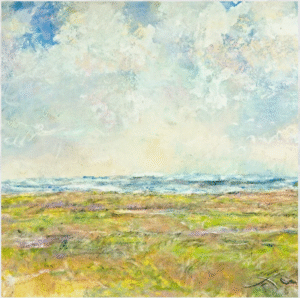
Digital Innovation in Contemporary Landscape Paintings: Tech-Driven Visions
One of the most fascinating shifts I’m seeing is how technology, which often feels so separate from nature, is actually enhancing and transforming how artists approach floral Paintings, and indeed, all forms of natural depictions. We’re not talking about simply digital art, but rather a beautiful, often unexpected, fusion. Artists are using digital tools not just for creation, but for conceptualization, exploration, and even presentation in ways that were unimaginable just a few years ago. It’s like they’re building new bridges between the digital realm and the tangible beauty of our planet, giving us fresh eyes to see familiar vistas.
Augmented Reality’s Embrace of Dynamic Landscape Narratives in Art
Imagine standing in a gallery, looking at a beautiful landscape painting, and then, through your phone or a specialized viewer, parts of the painting come to life! Birds might fly across the sky, a river could ripple, or mist might roll in over painted mountains. This isn’t science fiction; it’s the burgeoning world of augmented reality (AR) finding its way into modern landscape paintings. Artists are embedding AR layers into their physical works, creating an interactive experience that pulls the viewer deeper into the scene. It’s a playful, immersive way to engage with art, offering dynamic narratives that evolve with a simple glance through a screen. It adds a whole new dimension, making the viewer feel less like an observer and more like a participant in the painted world, allowing a deeper, more personal connection to the depicted natural setting.
AI-Assisted Inspiration: Crafting Unseen Topographies for Landscape Artists
Now, before you picture robots painting masterpieces, hear me out. AI isn’t replacing the artist; it’s becoming an incredible assistant, a muse with an algorithm. Artists are using AI to generate unique topographical maps, analyze color palettes from different environments, or even create abstract forms inspired by natural phenomena. This allows them to explore compositions and perspectives for their landscape paintings that they might never have conceived on their own. It’s like having an infinite sketchpad of possibilities, sparking new ideas for fantastical forests, alien mountains, or incredibly vibrant seascapes paintings that exist only in the realm of imagination, before the artist translates them to canvas with their own unique hand. This partnership between human ingenuity and artificial intelligence is opening up entirely new visual languages for expressing the natural world.
Abstracting Nature: New Perspectives in Landscape Paintings
While there will always be a place for breathtakingly realistic landscape paintings, 2026 is seeing a significant lean into the conceptual and abstract. Artists are less concerned with perfectly replicating a scene and more interested in capturing the feeling of a place, the memory of a moment, or a deeper philosophical connection to the environment. This shift allows for a more profound emotional resonance, inviting viewers to engage with the artwork on a more personal and reflective level, moving beyond mere visual recognition.
The Emotional Resonance of Minimalist Vistas in Contemporary Landscapes
Think about the quiet power of a single, perfectly placed line, or a vast expanse of color that evokes the endless sky or a deep ocean. Minimalist landscape paintings are gaining immense traction because they strip away the unnecessary, focusing on the core emotional impact of a scene. It’s about suggestion over explicit detail, inviting the viewer to fill in the blanks with their own experiences and feelings. These pieces often use muted palettes or bold, stark contrasts, allowing the viewer’s eye to rest and contemplate the essence of the landscape without distraction. They speak volumes in their simplicity, proving that sometimes, less truly is more when capturing the spirit of a place. This particular approach to depicting natural scenes offers a calming counterpoint to our often-overstimulated lives.
Narrative Abstraction: Telling Stories Through Natural Forms in Art
This is where landscape paintings truly become poetry on canvas. Artists are using abstract forms, colors, and textures to tell stories about environmental change, personal journeys, or even historical events tied to specific locations. A swirling vortex of color might represent a hurricane, while fractured planes could symbolize deforestation. These aren’t just pretty pictures; they’re dialogues, meditations, and sometimes, even warnings. They encourage us to look beyond the surface and consider the deeper narratives woven into the fabric of our world, often incorporating elements reminiscent of powerful sports Paintings in their dynamic energy. This storytelling through abstraction allows for a universal connection, even when the details are not explicitly rendered.
Eco-Conscious Artistry: Landscapes as a Call to Action for 2026
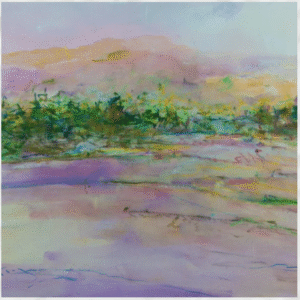
With growing global awareness of environmental issues, it’s no surprise that many modern landscape paintings are becoming powerful statements for ecological preservation. Artists are not just depicting nature; they’re advocating for it, using their platforms to shed light on urgent matters. This artistic activism is inspiring, turning canvases into vital dialogues about stewardship and sustainability. It’s a testament to the idea that art can, and should, reflect the pressing concerns of its time.
Reclaimed Materials and Sustainable Canvases in Landscape Art
The medium is the message! A fascinating trend involves artists moving away from traditional art supplies and embracing reclaimed, recycled, or sustainable materials for their landscape paintings. Imagine a canvas made from repurposed wood, paint created from natural pigments found in the earth, or sculptures integrating discarded plastics to highlight pollution. This approach not only creates visually striking and unique textures but also adds another layer of meaning to the artwork, directly addressing themes of waste and renewal. It’s a powerful way to integrate the message of environmental care into the very construction of the art piece, making the very fabric of the painting speak to its purpose.
Documenting Change: Landscapes as Environmental Diaries on Canvas
Artists are increasingly acting as visual documentarians, capturing the subtle—and not-so-subtle—changes happening in our natural world. This could be a series of landscape paintings depicting the shrinking of a glacier over time, the gradual desertification of fertile lands, or the resilience of a forest after a wildfire. These works serve as poignant reminders of humanity’s impact on the planet, often stirring a deep sense of urgency and connection in the viewer. They are visual diaries, recording the planet’s story through the artist’s sensitive eye. This often includes stunning depictions of trees paintings, showcasing their beauty and vulnerability, urging us to consider their fate.
The Human Element: Integrating Presence into Natural Landscape Art
While landscape paintings traditionally focus on nature alone, 2026 is seeing a growing trend where the human presence, or the traces of it, are subtly woven into the natural fabric. It’s not about portraiture, but about the interplay between humanity and the environment. This inclusion deepens the narrative, acknowledging that even in the wildest places, human stories are often intertwined, adding a profound layer to contemporary landscape art.
Traces of Passage: Paths, Structures, and Memories in Modern Landscape Depictions
Artists are depicting subtle signs of human interaction within their landscapes – a winding path disappearing into the distance, a dilapidated fence, an ancient stone wall, or even the faint glow of distant lights. These elements suggest stories, journeys, and the enduring connection between people and the places they inhabit. They add a layer of melancholy, nostalgia, or quiet contemplation, making the landscape feel lived-in and imbued with human history. It encourages us to ponder our own role within these grand natural settings, highlighting our transient yet impactful presence in the broader scope of modern landscape art.
Figurative Elements as Guides to Emotion in Scenic Landscape Art
Sometimes, a lone figure, small and almost lost in the vastness of the landscape, appears in these paintings. This figure isn’t the subject, but rather a guide for the viewer’s emotions. They might be contemplating a sunset, trekking through a wilderness, or simply standing in awe. This subtle human presence allows the viewer to project themselves into the scene, enhancing the emotional connection and emphasizing the shared human experience of interacting with nature. It’s a powerful way to bridge the gap between the observer and the observed, making the vastness of the natural world feel intimately approachable through these insightful landscape compositions.
The Future is Bright (and Green!): My Takeaway on Landscape Painting Trends
It’s truly an exhilarating time to be a part of the art world, especially when it comes to modern landscape paintings. The creativity, the innovation, and the sheer passion that artists are pouring into their work is nothing short of inspiring. From embracing cutting-edge technology to making powerful environmental statements and even bringing the human element back into focus, these trends are transforming how we see, experience, and connect with nature through art. The evolution in how artists approach these natural vistas is a testament to the enduring power and flexibility of the genre.
These aren’t just fleeting fads; they represent a deeper shift in how artists interpret our world. They remind us of the enduring power of nature, the critical need for its preservation, and the endless possibilities for creative expression. So, keep your eyes open, because the next groundbreaking landscape painting might just be around the corner, waiting to capture your imagination and perhaps, even change your perspective. If you’re interested in understanding the materials that bring these visions to life, you can Learn more about types of paint for art.
What are your thoughts on these evolving trends? Are there any specific styles or themes in modern landscape paintings that really resonate with you? I’d love to hear your perspective!