


Modern vs Traditional Painting Styles: Key Differences Explained
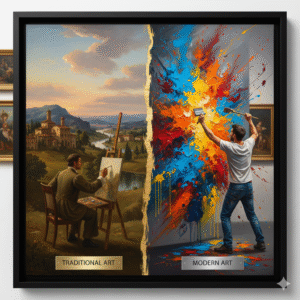
Art has evolved dramatically over the centuries, shifting from classical realism to bold, expressive, and experimental methods. Today, many artists and collectors are curious about how modern styles compare with traditional paintings, and what truly sets these two eras apart. By understanding the techniques, themes, materials, and artistic intentions behind each approach, you gain a clearer view of how art has transformed—and how both styles continue to influence contemporary creativity.
This guide explains the key differences between modern and traditional painting styles with a focus on technique, visual language, composition, and subject matter. The goal is to provide clarity and artistic insight while building a strong sense of expertise, authority, and trust for readers exploring art history and modern creativity.
What Defines Traditional Paintings?
Traditional paintings follow classical techniques that have been practiced for centuries. These artworks are grounded in realism, balanced composition, and technical precision. Artists working in traditional styles often aim to represent subjects as accurately as possible. The methods are deliberate, controlled, and deeply connected to academic training.
In traditional art, every stroke serves a structural purpose. The brushwork tends to be refined, transitions are smooth, and the overall composition focuses on clarity and harmony. The use of light and shadow follows natural rules, creating depth and realism. You can see this approach reflected in nature-based subjects such as landscape artwork or detailed botanical elements found in trees and floral paintings.
Traditional themes often revolve around portraits, religious scenes, still life compositions, and historical narratives. The purpose is not simply expression but documentation, storytelling, and preservation of cultural heritage.
What Defines Modern Painting Styles?
Modern painting emerged as a break from classical rules. Instead of focusing on perfect accuracy, modern artists explore emotion, abstraction, and personal interpretation. The shift away from realism opened doors to new artistic movements such as Impressionism, Expressionism, Cubism, and Abstract art.
Modern styles encourage experimentation—artists use unconventional tools, bold colors, expressive strokes, and mixed media. The artwork becomes more about the idea than the technique. Instead of capturing the world exactly as it appears, modern painters emphasize mood, energy, and conceptual depth.
You can observe this expressive freedom in categories like stylized character illustrations or dynamic action-based sports artwork, where movement, rhythm, and emotion play a more prominent role than strict realism.
Visual Differences Between Modern and Traditional Art Paintings
The visual contrast between traditional and modern art is one of the easiest ways to identify their differences. Traditional artworks usually feature smooth transitions, realistic shading, and lifelike structures. Artists rely on natural color palettes and classical composition rules. These pieces often reveal immense patience and meticulous craftsmanship.
Modern art, on the other hand, tends to feel more energetic and expressive. Colors may appear exaggerated or symbolic. Shapes may be simplified or intentionally distorted. Brushwork becomes looser or more experimental, creating textured surfaces or layered effects. Instead of perfecting every detail, modern painters embrace spontaneity, emotion, and interpretation.
When comparing a realistic landscape painting to a modern abstract piece, you immediately notice the difference in technique, color use, and visual intention. Traditional work guides the viewer clearly, while modern art invites personal interpretation.
Themes and Subjects: Classical vs Contemporary Choices
Traditional paintings often focus on familiar and historically significant subjects—portraits, nature, mythology, and still life arrangements. These themes are timeless because they allow artists to showcase technical skill while exploring cultural stories and human experiences. You can see examples of classical themes represented in categories like seascapes or natural settings explored in trees artwork.
Modern art expands the range of subjects dramatically. Instead of focusing solely on realism or historical narratives, modern painters explore psychological themes, symbolism, identity, social issues, and conceptual ideas. Movement-oriented subjects such as those found in expressive sports artworks show how modern creativity embraces motion, intensity, and energy.
If you want to understand how painting subjects vary across art history and modern genres, you can also learn more about popular painting subjects to see how artists explore themes differently.
Techniques and Tools: How Methods Differ
Traditional techniques rely on slow layering, glazing, and controlled brushwork. Artists often mix their own pigments, prepare canvases, and use time-tested mediums like oil, watercolor, and tempera. These methods prioritize accuracy, depth, and realism.
Modern techniques introduce far more freedom. Artists use palette knives, sponges, scrapers, digital tools, and mixed media. Rather than blending colors smoothly, they may apply paint in bold strokes or textured layers. The process becomes expressive, allowing the artist’s physical movements to influence the final result.
The difference is not just technique—it’s intention. Traditional artists refine the world they see; modern artists reinterpret it.
Color Theory Across Eras
Color use also highlights the contrast between modern and traditional styles. Traditional artists rely on naturalistic color palettes, creating depth with subtle shade variations, warm-to-cool transitions, and realistic skin tones. These predictable palettes support clarity and truthfulness.
Modern artists treat color as emotion. Instead of matching reality, they choose shades that express mood, symbolism, or conceptual ideas. Modern works might use intense reds, electric blues, or unexpected contrasts to evoke a psychological response. Traditional paintings follow the rules of nature; modern paintings reshape those rules.
Storytelling and Artistic Purpose
Traditional paintings aim to tell clear stories—historical battles, royal portraits, religious narratives, or symbolic still life compositions. Their intent is grounded in cultural identity, accuracy, and moral or philosophical messages.
Modern art approaches storytelling differently. The story may be emotional, abstract, or conceptual. The viewer participates in the interpretation. Instead of one fixed meaning, modern paintings offer space for personal reflection. The narrative becomes fluid, shaped by the artist’s inner experience and the viewer’s perception.
Which Style Should Artists Explore Today?
Choosing between modern and traditional painting styles depends on your creative goals. Artists who value structure, realism, and technical mastery may feel drawn to classical methods. Those who prefer expressive freedom, innovation, and personal interpretation might explore modern techniques. Many contemporary artists blend both—using realistic foundations mixed with bold colors or abstract elements.
This hybrid approach creates unique artistic identities that resonate with today’s diverse audiences. Whether working with nature-inspired themes like floral compositions, atmospheric seascapes, or expressive contemporary illustrations, artists today have more stylistic freedom than ever before.
For deeper context on how painting styles have evolved, you may also explore the broader category of types of art styles in painting.
Conclusion
Both modern and traditional paintings have shaped the art world in powerful ways. Traditional art highlights realism, craftsmanship, and centuries-old techniques, while modern painting celebrates emotion, abstraction, and creative experimentation. Understanding the differences strengthens your artistic insight and helps you appreciate the unique value each style brings to the evolving world of visual art.