


Types of Modern Art Paintings: A Complete Guide to Today’s Most Influential Styles
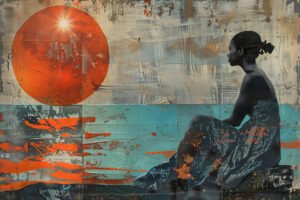
Modern art has transformed the creative world over the last century, shifting the focus from strict realism to imagination, symbolism, emotion, and conceptual expression. As artists began challenging earlier traditions, new visual languages emerged—each with its own philosophy and aesthetic character.
This guide explores the most influential types of modern art paintings, explains their key features, and highlights the themes, techniques, and creative ideas that continue to define modern creativity today.
What Defines Modern Art Paintings?
Modern art emerged in the late 19th century as a revolutionary movement against conventional academic art. Instead of realistic imitation, modern artists embraced experimentation, personal expression, and bold stylistic innovation.
The Shift From Realism to Expressive Freedom
Before the modern era, painters were expected to depict people and places accurately. Modern artists broke these rules to explore emotion, movement, abstraction, and symbolic visual storytelling. This shift changed art forever, opening the door to limitless creative interpretation.
How Modern Art Redefined Subject Matter
Modern art expanded beyond portraits and classical scenes. Artists began expressing moods, dreams, culture, identity, and philosophical ideas. This evolution laid the foundation for the diverse painting styles we see today—from minimalism to surrealism and digital art.
Major Types of Modern Art Paintings
Below are the most influential modern painting styles that have shaped contemporary visual culture.
Abstract Art: Color, Emotion & Non-Realistic Forms
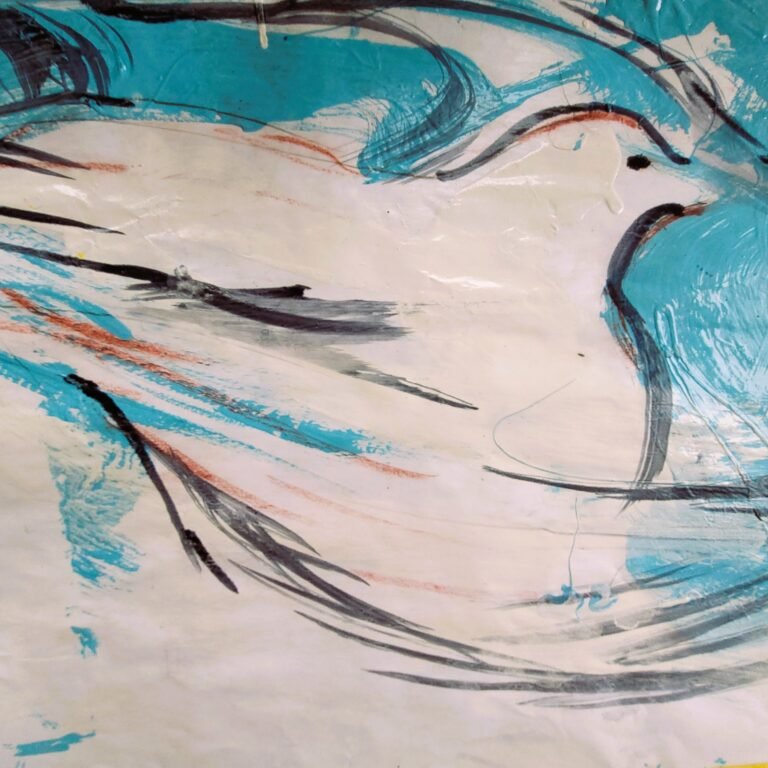
Abstract art moves beyond recognizable subjects and instead uses shapes, lines, and colors to convey emotion. Because it prioritizes feeling over form, it invites personal interpretation, making it one of today’s most popular modern styles.
Minimalism: Clean Lines & Simplicity
Minimalist paintings emphasize clarity and balance. Limited color palettes, smooth shapes, and open space create calm, modern compositions. It’s a favorite for interior design due to its timeless elegance.
Pop Art: Culture, Media & High-Contrast Imagery
Pop Art celebrates everyday culture—media, celebrities, advertising, and bold graphic visuals. Known for vibrant colors and iconic imagery, it’s instantly recognizable and continues to influence modern fashion, design, and commercial art.
Expressionism: Emotion-Driven Color & Distortion
Expressionist painters use dramatic color, rough texture, and exaggerated forms to convey intense psychological emotion. Instead of capturing reality, they emphasize atmosphere, inner turmoil, or profound mood.
Surrealism: Dreams, Fantasy & Symbolism
Surrealist paintings explore imagination, subconscious thoughts, and dreamlike visuals. Strange juxtapositions and symbolic elements create mysterious narratives that invite deeper interpretation.
Cubism: Geometric Shapes & Fragmented Perspectives
Cubism breaks a subject into geometric fragments and shows it from multiple viewpoints at the same time. This style introduced a completely new way of understanding visual composition and structure.
Contemporary Realism: Traditional Skill, Modern Perspective
Contemporary realism combines photographic detail with modern lighting, themes, and symbolism. While realistic in appearance, it speaks the language of modern storytelling.
Digital & Mixed Media: Technology Meets Creativity
Today’s modern art also includes digital painting, collage, and mixed-media techniques. Artists blend traditional painting with digital tools, textured materials, photography, and even AI-enhanced elements. This hybrid approach represents the cutting edge of modern creativity.
Modern Painting Techniques Artists Use Today
Modern art styles are often defined by their unique techniques, which add emotion, clarity, or conceptual depth.
Bold Brushwork & Textural Layers
Many modern artists use thick strokes, visible textures, and expressive movement to enhance impact.
Mixed Media & Experimental Surfaces
Layering fabric, paper, textured paste, photography, or unconventional materials creates dynamic mixed-media compositions.
Digital & AI-Assisted Approaches
Digital tablets, stylus tools, and AI techniques help artists craft precise or stylized artwork that merges modern technology with classical composition.
Common Themes in Modern Art Paintings
Modern art opened the door for new themes, visual narratives, and conceptual exploration.
Identity, Culture & Social Commentary
Artists increasingly explore identity, diversity, cultural roots, and social issues in expressive ways. Modern art often acts as a reflection of contemporary life.
Nature-Inspired Themes
Nature remains a powerful source of inspiration. Modern works often depict
trees,
stylized landscape scenes,
and atmospheric seascapes—all reimagined through modern techniques.
Abstract Concepts & Emotional Expression
Themes such as memory, harmony, chaos, energy, or transformation appear frequently in modern art. These symbolic narratives allow deeper emotional engagement with the viewer.
For a deeper look at painting themes, explore:
Learn more about popular painting subjects
Modern Art vs. Traditional Art: Key Distinctions
While traditional painting prioritizes realistic representation, modern art values creativity, distortion, symbolism, and abstraction.
To explore the differences further, visit:
modern vs traditional paintings
This comparison helps clarify how modern art evolved from classical foundations.
How to Choose the Right Modern Art Style
Different modern styles suit different personalities and environments.
If you enjoy botanical or decorative themes, explore modern floral art.
If dynamic motion inspires you, consider energetic sports paintings.
For narrative-driven or imaginative pieces, explore expressive illustrations.
For further exploration of painting categories, visit:
types of art styles in painting
Final Thoughts: Why Modern Art Continues to Shape Creativity
The many types of modern art paintings—from abstract and surrealism to digital mixed media—highlight the diversity and evolution of human expression. Modern art remains influential because it values imagination, emotional depth, experimentation, and bold storytelling.
For collectors, creators, and art lovers, modern painting styles offer endless ways to engage with creativity and meaning. Understanding these styles not only enriches appreciation but also helps you choose artwork that reflects your identity and personal aesthetic.
Top 5 FAQs About Types of Modern Art Paintings
1. What defines modern art paintings?
Modern art paintings focus on experimentation, creative freedom, and breaking away from traditional techniques. They emphasize expression, new materials, and innovative visual storytelling.
2. What are the most popular types of modern art paintings today?
Some of the most popular modern styles include Abstract Art, Pop Art, Minimalism, Digital Art, and Mixed Media. Each style highlights unique approaches to color, texture, and composition.
3. How are modern art paintings different from traditional paintings?
Traditional paintings follow classic techniques, realistic subjects, and structured composition. Modern art paintings prioritize interpretation, emotional impact, symbolism, and unconventional methods.
(For deeper comparison, visit the guide on modern vs traditional paintings.)
4. Are modern art paintings suitable for beginners?
Yes. Many modern styles—such as abstract or minimalism—allow beginners to explore creativity without needing perfect realism. They are accessible and great for building artistic confidence.
5. What type of modern art painting sells the most?
Abstract and contemporary minimalist artworks are currently among the highest-selling forms. Digital art and mixed media are also rapidly growing due to online art markets and global demand.